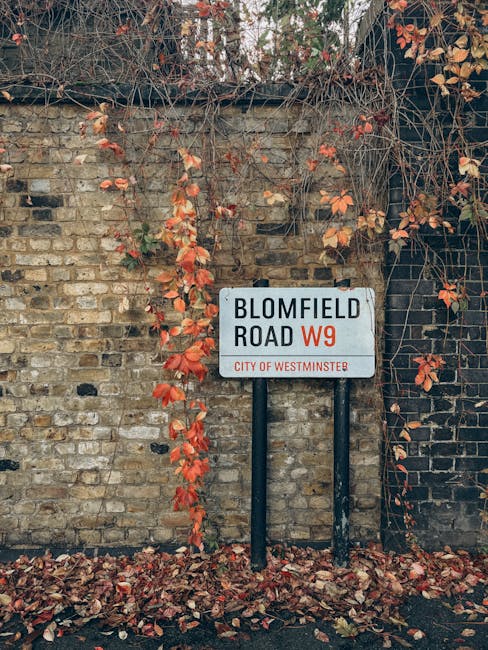
Floral waste rules in City of Westminster (Paddington) explained
Posted on 02/10/2026
If you run a florist, manage event flowers, or simply end up with a surprising amount of stems, leaves, wrapping, and wilted blooms, the rules around floral waste can feel a bit fuzzy. Truth be told, it's one of those topics people don't think about until the bins are full and someone asks, "Can this go out with general waste?" This guide to Floral waste rules in City of Westminster (Paddington) explained will walk you through the practical side of disposal, what good compliance looks like, and how to handle floral waste in a way that makes sense in real life.
Paddington sits in a busy part of Westminster, where commercial premises, hospitality venues, offices, hotels, and florists all generate organic waste in different volumes. That means the right approach is rarely just "bin it and forget it." You need a simple system, a bit of judgement, and an understanding of local expectations. Let's make it clear, human, and useful.
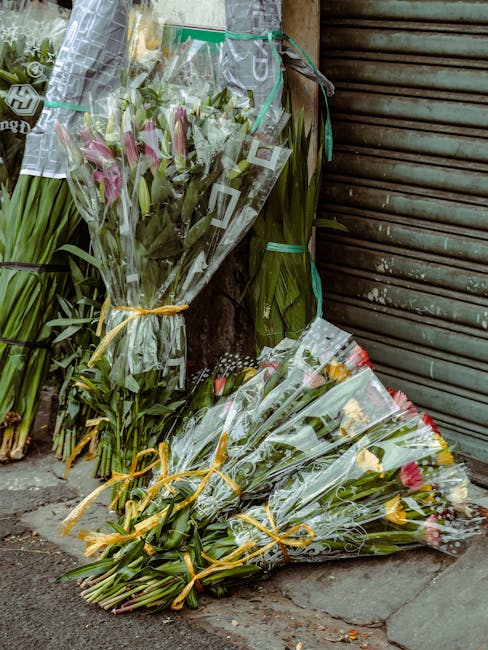
Table of Contents
- Why Floral waste rules in City of Westminster (Paddington) explained Matters
- How Floral waste rules in City of Westminster (Paddington) explained Works
- Key Benefits and Practical Advantages
- Who This Is For and When It Makes Sense
- Step-by-Step Guidance
- Expert Tips for Better Results
- Common Mistakes to Avoid
- Tools, Resources and Recommendations
- Law, Compliance, Standards, or Best Practice
- Options, Methods, or Comparison Table
- Case Study or Real-World Example
- Practical Checklist
- Conclusion
- Frequently Asked Questions
Why Floral waste rules in City of Westminster (Paddington) explained Matters
Floral waste looks harmless, and mostly it is. But once you start dealing with regular bouquets, wedding flowers, event installations, or sympathy arrangements, the volume adds up quickly. In a place like Paddington, where many businesses operate from compact premises and bin space is at a premium, poor floral waste handling can lead to mess, odour, pests, and avoidable disposal costs. Nobody wants a back courtyard smelling faintly of rotting lilies on a warm afternoon. Not exactly the vibe.
It matters for another reason too: mixed waste is harder to manage and often more expensive to remove. If flower stems, damp oasis foam, plastic wrap, ribbon, and food waste all go into one bag, you've created a problem that is both operational and environmental. Separating what can be recycled, reused, composted, or safely disposed of saves hassle later. In practice, the businesses that handle waste well are usually the ones that stay calmer on busy delivery days.
There is also a reputational piece here. Customers notice how a florist or venue handles the unglamorous side of the business. A neat back-of-house area, tidy waste storage, and sensible disposal routines quietly tell people that you run a professional operation. That kind of detail matters more than most people admit.
How Floral waste rules in City of Westminster (Paddington) explained Works
The basic idea is simple: floral waste should be sorted sensibly and removed using the most suitable waste stream available to your premises. In practical terms, that means identifying what part of the waste is genuinely organic and what part is not. Fresh flowers, leaves, stems, and some plant trimmings are usually the easy part. Items like cellophane, tapes, plastic wraps, zip ties, wire, foam, and decorative packaging need a different approach.
For most businesses, floral waste management works best in three steps:
- Separate organic material such as flowers and stems from packaging and artificial materials.
- Store waste safely in sealed or covered containers to reduce odour and leakage.
- Arrange removal or disposal through the correct waste route for your premises and volume.
That sounds straightforward, and it often is, but the details matter. For example, a florist shop with a small daily turnover may only need simple internal segregation and normal collection arrangements. A wedding florist or corporate events team, on the other hand, may generate larger mixed loads after a single function and need a more structured process. Different business, different rhythm.
If you are arranging floral waste alongside broader floral services, it often helps to think in terms of workflow rather than "rubbish." For example, a shop already set up for local florist services in Paddington may find it easier to build waste separation into the same prep counter routine used for bouquet making and conditioning flowers. Small change, big difference.
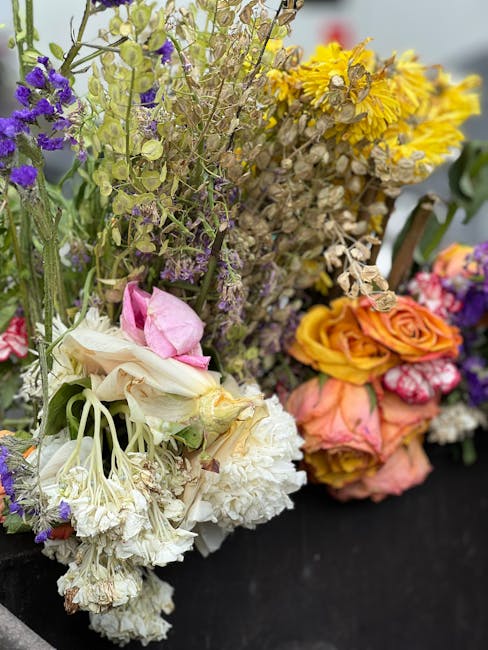
And yes, there is a bit of common sense involved. Wilted roses from a display are not the same as a box soaked through with floral foam, plastic sleeves, and ribbon offcuts. You treat them differently because the disposal implications are different. That's the real trick here.
Key Benefits and Practical Advantages
Handled properly, floral waste management gives you benefits well beyond simply "keeping the bins tidy." Here are the ones that matter most in day-to-day business.
- Cleaner premises: less mess around counters, stockrooms, and rear storage areas.
- Lower contamination: cleaner separation means more opportunities to recycle appropriate materials.
- Better hygiene: especially important where flowers sit close to food, packaging, or customer waiting areas.
- Smoother collections: waste crews can deal more efficiently with well-prepared loads.
- Less stress: staff know exactly what goes where, which avoids the mid-shift guessing game.
- Improved customer perception: tidy back-of-house habits support a professional image.
There's also an environmental advantage, which is increasingly important for London businesses. Floral waste is natural, but that does not mean every part of it belongs in the same bin. A bouquet stripped of plastic wrap and sorted properly has a very different disposal profile from a mixed black bag full of everything. If sustainability is part of your brand, this is one of those small operational details that proves it is not just a slogan. You can also reinforce your broader environmental approach by reviewing your sustainability commitments alongside waste handling practices.
Who This Is For and When It Makes Sense
This topic is relevant to more people than you might think. It is not only for big florists with lorries and walk-in coolers. In fact, the most common situations are usually smaller and more everyday.
You may need this if you are:
- a florist or flower shop operating in or near Paddington
- a wedding planner or venue coordinator managing floral displays
- a hotel, restaurant, or office with regular fresh arrangements
- an event decorator handling large volumes of blooms after setups and takedowns
- a corporate account manager arranging flowers for receptions, meetings, or client spaces
- a household with a lot of occasional floral waste after celebrations, though the rules are usually simpler there
It also makes sense if you want to reduce avoidable waste costs. A business ordering flowers regularly, perhaps through flower delivery in Paddington or ongoing client arrangements, can build disposal habits into the buying process. That's the sort of thing that pays off quietly over time.
To be fair, some people only look this up after a problem has already happened. A collection was missed, a bag split open, or a venue received a complaint about smell or insects. If that's where you are, don't worry. Most floral waste systems are easy to improve quickly once you know what to separate and why.
Step-by-Step Guidance
If you want a practical approach rather than theory, start here. This is the method that tends to work best for small and medium floral operations.
1. Identify your waste types
Make a simple list of what your business throws away in a normal week. Include stems, petals, foliage, torn wrapping, cardboard sleeves, foam, tape, ribbons, water containers, and any broken display pieces. You'll notice patterns fast. Most shops have one or two waste types dominating the load.
2. Separate organic from non-organic material
Fresh floral matter is the easiest part to handle. Packaging is where things get messy. Keep organic waste apart from plastic wrap, wires, foam, and other non-compostable materials. If possible, train staff to strip bouquets at a dedicated station. That keeps the workflow clean and stops "just chuck it all in one bag" from becoming a habit. Because once that starts, it's hard to stop.
3. Choose the right containers
Use sturdy, lidded bins or lined containers where floral waste is likely to stay damp. Wet stems can leak, and nobody wants that sliding across a loading area. If your business has a small back room, make sure the bin is easy to reach but not in the way of foot traffic.
4. Manage timing carefully
Floral waste should not be left to sit too long, particularly in warmer weather or in busy premises where collections happen on fixed days. The fresh smell of roses does not last forever, and once decomposition starts, things can get unpleasant quickly. Better to clear it regularly than to "deal with it later" and regret it.
5. Match disposal to volume
Small daily amounts may suit ordinary commercial waste arrangements, but larger volumes from weddings, funerals, or seasonal peaks often need more planning. If you are handling repeated event waste, consider whether your current collection schedule still fits your workload. It often doesn't, especially around peak periods.
6. Review what can be reused or reduced
Some items, such as clean cardboard, certain packaging, buckets, or reusable display materials, may be suitable for reuse or separate recycling. It is worth checking what your own waste stream contains before deciding what is "just rubbish." A quick audit for one week can reveal a lot.
Expert Tips for Better Results
In our experience, the best floral waste systems are not the fanciest ones. They are the ones staff can follow without thinking too hard. Simplicity wins.
- Place a sorting station near the prep area. If waste separation is two rooms away, people will skip it when things get busy.
- Label bins clearly. Use plain language: flowers and stems, packaging, general waste. No one should need a decoder ring before their first coffee.
- Keep a "what goes where" sheet visible. A laminated sheet by the sink or workstation saves time and reduces mistakes.
- Watch peak days. Valentine's, Mother's Day, wedding weekends, and funeral seasons can generate a lot more waste than usual.
- Link waste checks to closing routines. A two-minute bin review at the end of the day prevents unpleasant surprises the next morning.
- Train new staff early. It is easier to teach the right habit on day one than to correct a bad habit later.
One useful real-world habit: keep a small spare bag or container for packaging waste right next to the floral prep table. That tiny change often reduces cross-contamination immediately. And yes, it sounds basic. Basic is good. Basic is reliable.
If your business also handles gifts or accessories alongside flowers, you may want to check how mixed stock and packaging are managed. For example, product lines such as flower shop collections in Paddington often involve both fresh materials and retail packaging, which need separate thinking.
Common Mistakes to Avoid
Most floral waste problems come from a handful of predictable mistakes. The good news is they are usually easy to fix.
- Mixing organic waste with plastic wrap and foam. This is the big one. It turns a manageable waste stream into a contaminated mess.
- Leaving wet waste in open bags. This can lead to drips, smells, and pests.
- Assuming all flower waste is compostable. Not if it contains foam, wire, ribbons, or coated packaging.
- Ignoring seasonal spikes. A quiet Tuesday and a wedding Saturday are not the same animal.
- Not assigning responsibility. If everyone is responsible, no one is. Someone needs to own the routine.
- Forgetting external storage conditions. If bins sit outside, they need to be secure, covered, and positioned sensibly.
Another mistake is treating floral waste as an afterthought rather than a planned part of operations. It sounds minor, but it has a habit of leaking into bigger problems: missed collections, blocked storage space, poor presentation, and staff frustration. Nothing dramatic. Just enough small friction to make a week feel longer than it should.
Tools, Resources and Recommendations
You do not need a complicated system to manage floral waste well. A few practical tools are usually enough:
- Labelled containers: one for floral organics, one for packaging, one for general waste where needed.
- Liners or sack systems: chosen to suit moisture levels and collection needs.
- Cutting tools and stripping stations: to remove wrapping efficiently from bouquets.
- Cleaning supplies: for quick wipe-downs after busy periods.
- Simple staff instructions: visible and short, not a novel pinned to the wall.
For a wider business view, it helps to align waste management with your delivery and service processes. If your team handles regular dispatches, the same attention you give to same-day flower delivery in Paddington should apply to the waste that comes back after those orders are made up. That way, operations stay joined up rather than feeling like separate little islands.
You may also want to review your business policies, especially if you work with repeat customers or corporate clients. Pages such as terms and conditions, delivery information, and returns and refund details can help keep customer expectations clear, which in turn reduces waste from errors or miscommunication. A tidy operation usually starts with tidy systems.
Law, Compliance, Standards, or Best Practice
Floral waste handling in Westminster should be approached with the same care as any other commercial waste stream. The exact requirements can vary depending on your business type, the volume of waste, and the materials involved, so it is sensible to treat this as a best-practice area where local arrangements matter. If you are unsure about a specific waste type or disposal route, seek guidance from your waste contractor or the relevant local authority channel before making assumptions.
The safest general rule is this: separate what is organic from what is not, and do not mix recyclable packaging with contaminated wet waste unless your collection method explicitly allows it. That is the practical heart of compliance. It is less glamorous than floral design, obviously, but it keeps the operation clean and defensible.
If you operate a business premises, you also have a broader duty to manage waste properly, store it safely, and prevent nuisances such as odour, overflow, or vermin attraction. That matters in a busy area like Paddington, where neighbouring businesses and residents are close by and everyone notices a bad bin situation sooner than you might expect. London has a way of compressing everything together.
Best practice also includes record keeping where needed, staff training, and a clear collection arrangement. If your floral business is scaling up, or you have corporate customers through corporate accounts, it becomes even more important to keep disposal routines simple, repeatable, and consistent.
Options, Methods, or Comparison Table
Different floral waste setups suit different business models. Here is a practical comparison of the most common methods.
| Method | Best for | Advantages | Limitations |
|---|---|---|---|
| General waste only | Very low volumes, simple setups | Easy to manage, minimal training | Less efficient, more contamination, fewer sustainability benefits |
| Separated organic and packaging waste | Most florists and event teams | Cleaner system, better sorting, easier staff training | Needs a little more discipline and space |
| Regular specialist collection for larger volumes | Busy shops, event florists, hotel and corporate use | Efficient for heavy loads, more predictable operations | Requires planning, contractor coordination, and consistent volumes |
For many businesses, the second option is the sweet spot. It offers enough structure to make a real difference without creating a burdensome process. If you are buying, storing, and arranging flowers frequently, a well-organised system paired with the right products can make a surprising difference. A florist that works from a curated range such as all flowers or seasonal bundles tends to benefit from simple, repeatable waste routines because stock changes can be planned in advance.
Case Study or Real-World Example
Imagine a Paddington florist handling a mixed week: a handful of birthday bouquets, a corporate reception arrangement, and a wedding order that includes table pieces and buttonholes. On Monday, the waste is light. By Saturday evening, the prep room has a pile of stems, damp paper, ribbon offcuts, a few broken blooms, and the remains of some display packaging.
At first, the team puts everything into one bag. It is quick, yes, but the bag gets heavy and damp. By Sunday morning, the back area smells a bit musty, and the overflow bin is already crowded. Not ideal.
Now compare that with a better routine. The team strips bouquets at one workstation, puts fresh floral matter into a dedicated lined bin, separates cardboard and packaging into another, and removes damp waste at the end of the day. The wedding flowers are cleared immediately after the event. The back room stays cleaner, the bins are easier to lift, and Monday starts without that gloomy "we've got a mess to clear" feeling.
That is the real value of getting this right. It is not just about rules. It is about making the business easier to run.
Practical Checklist
Use this checklist to tighten up your floral waste process.
- Have you identified all the waste types your business produces?
- Are fresh flowers and stems kept separate from packaging?
- Do staff know where each waste type goes?
- Are containers lidded or otherwise suitable for damp waste?
- Are waste bins emptied often enough to avoid smells and overflow?
- Have you checked whether any materials can be reused or recycled separately?
- Does your collection arrangement match your busy periods?
- Are storage areas clean, accessible, and out of customer view?
- Have seasonal peaks been planned for?
- Is there a clear person responsible for day-to-day waste checks?
If you can tick most of those off, you are already in a much stronger place than many small businesses. And if a few are still unfinished, that is fine. Start with the messiest area first; usually the solution shows itself pretty quickly.
Conclusion
Floral waste rules in City of Westminster (Paddington) explained come down to one simple idea: separate, store, and dispose of floral waste with enough care to keep your premises clean, your staff clear on the process, and your waste stream sensible. You do not need a perfect system. You need one that works consistently in a real business, on real days, when the shop is busy and the phone will not stop ringing.
In Paddington, where space is tight and operations often move fast, the businesses that handle floral waste well tend to run more smoothly overall. They avoid avoidable mess, reduce contamination, and give themselves one less thing to worry about. Honestly, that alone is worth doing properly.
Get a free quote today and see how much you can save.
Frequently Asked Questions
What counts as floral waste in a Paddington business?
Floral waste usually includes unused or wilted flowers, leaves, stems, cuttings, and other organic leftovers from arranging or displaying flowers. It can also include mixed material from bouquets, such as wrapping, ribbon, foam, or wire, though those items need separate handling if they are not organic.
Can flower stems and petals go in general waste?
They sometimes can, depending on your waste arrangement, but general waste is not always the best option. If you can separate clean organic material from packaging, it is usually better to keep the stream cleaner and more manageable. That makes the whole process easier, especially for busy shops.
Is floral foam treated as organic waste?
No, floral foam is not treated like fresh flowers or stems. It is a manufactured material and should be handled separately from organic waste. If foam is mixed into floral waste, it can contaminate the load and make disposal less efficient.
Do florists in Westminster need a special waste contractor?
Not always. The right arrangement depends on your waste volume, materials, and premises. Some businesses manage fine with standard commercial collections, while larger operations or event-led florists may need a more tailored service. It is best to assess the actual waste stream rather than guess.
How often should floral waste be removed?
That depends on how much waste you produce and how quickly it becomes damp or odorous. For many businesses, daily removal or frequent emptying is sensible, especially in warmer weather. Leaving floral waste too long can quickly become unpleasant.
What is the biggest mistake businesses make with floral waste?
The biggest mistake is mixing everything together. Once flowers, packaging, foam, and general rubbish are combined, the waste becomes harder to manage and often more costly to deal with. A little separation at the start saves a lot of trouble later.
Can floral waste be composted?
Some organic floral waste may be suitable for composting, but only if it is free from unsuitable materials like plastic wrap, tape, wire, or foam. Whether composting is practical depends on your setup and collection route, so it is worth checking what is actually allowed in your process.
What should I do with wet flower waste?
Wet flower waste should be kept in a suitable container, ideally lined and covered, to prevent leaking and smells. Remove it regularly and do not let it sit too long in the back room. Wet waste left open is where problems begin.
Do wedding florists need different waste handling from retail florists?
Often, yes. Weddings and events can create bigger, more mixed waste loads in a shorter space of time. That means you may need better planning, faster removal, and more careful separation than a standard shop routine.
How can I make floral waste management easier for staff?
Keep the system simple. Use clear labels, put bins where the work happens, and create a short routine for stripping bouquets and separating materials. If staff can do it in seconds, they are far more likely to do it properly.
Does floral waste affect customer experience?
Indirectly, yes. Clean waste handling keeps the shop fresher, reduces clutter, and supports a professional impression. Customers may never comment on it, but they do notice a tidy workspace. They really do.
Where should I start if my current system is messy?
Start by separating organic waste from packaging. That one change usually improves everything else. Then review storage, collection timing, and staff responsibilities. Small, steady improvements are better than trying to overhaul everything in one exhausting go.