What to Do When Paddington Flowers Arrive Wilted
Posted on 06/05/2026
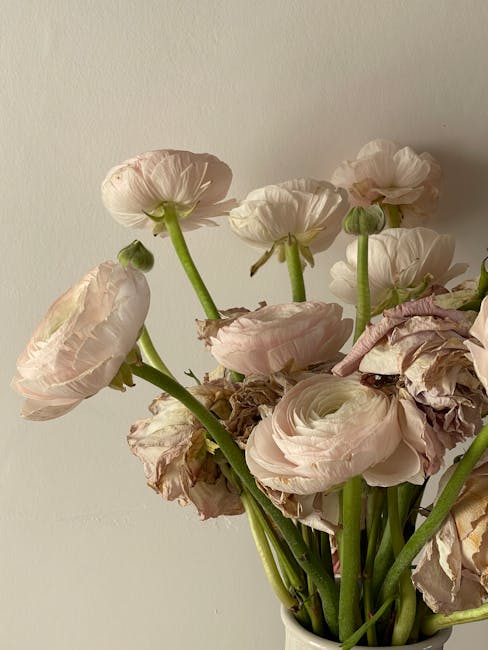
There's nothing quite like the slight sinking feeling of opening a flower delivery and finding the stems a bit limp, the petals tired, or the bouquet leaning sadly to one side. If that's happened to you, take a breath. It's frustrating, yes, but it doesn't always mean the flowers are a lost cause. In many cases, wilted blooms can be revived with the right care, and even when they can't be fully restored, you still have clear next steps for getting help.
This guide explains what to do when Paddington flowers arrive wilted, how to assess the damage, how to revive them safely, and when to contact the florist about a replacement or refund. You'll also find a practical checklist, common mistakes to avoid, and a few useful links for care, delivery, and customer support. To be fair, flowers have a habit of looking dramatic on arrival; the trick is knowing which signs are temporary and which ones really matter.
Table of Contents
- Why wilted flowers matter
- How recovery and complaint handling works
- Key benefits and practical advantages
- Who this is for and when it makes sense
- Step-by-step guidance
- Expert tips for better results
- Common mistakes to avoid
- Tools, resources and recommendations
- Law, compliance, standards, and best practice
- Options, methods, and comparison table
- Case study or real-world example
- Practical checklist
- Conclusion
- Frequently asked questions
Why What to Do When Paddington Flowers Arrive Wilted Matters
Wilted flowers are more than just a disappointing first impression. They affect the whole point of the gift. A bouquet often arrives to mark a birthday, an apology, a sympathy message, a wedding morning, or simply a "thinking of you" moment. If the flowers look tired on arrival, the message can feel dulled, and that's the part most people remember.
There's also a timing issue. Flowers are living products, and once they've arrived in poor condition, the window for recovery is short. The first 30 to 60 minutes after delivery can make a real difference. That is why it helps to know how to assess the bouquet properly rather than panicking, pruning randomly, or tossing it aside too quickly.
For customers in London, delivery conditions matter too. A bouquet may spend time in a van, a lobby, a concierge desk, or a warm flat hallway before anyone notices it. That doesn't always mean negligence, but it does mean the recipient should act promptly. If you want to understand the wider delivery context, it's worth reading the site's delivery information and the main flower care guidance so you know what normal handling should look like.
There's a quieter reason this matters too. When someone sends flowers, they're often sending care, reassurance, or celebration in a form you can see and smell right away. When the blooms arrive wilted, people can feel awkward raising it. Don't. It's reasonable to expect freshness, and it's reasonable to ask for help if that expectation hasn't been met.
How What to Do When Paddington Flowers Arrive Wilted Works
The process has two tracks: revive what can be saved and document what needs reporting. You do both at the same time, because the flowers may improve while you're also gathering the information needed in case of a complaint.
First, look at the bouquet as a whole. Soft stems, drooping heads, and slightly bent leaves can sometimes be fixed. Browned edges, mushy stems, or flowers that are already collapsing usually point to a more serious problem. The difference matters. A rose that is thirsty can often perk up; a stem that feels slimy is a different story entirely.
Second, think about the journey. Some flowers are more delicate than others. Lilies, hydrangeas, tulips, and mixed arrangements can react differently to heat, packing, and transport. If you've ordered a delicate design from a local florist, such as a seasonal bouquet or a mixed arrangement from the all flowers collection, a little temporary droop after transit can happen. The real question is whether the flowers respond after rehydration.
Third, use the florist's service framework. Reputable flower sellers will usually expect you to report delivery issues quickly, ideally on the same day or soon after. If the bouquet seems unsalvageable, the next sensible move is to check the shop's guarantees and returns and refund policy before you start guessing about what the resolution should be. That saves time and avoids a frustrating back-and-forth later.
Key Benefits and Practical Advantages
Knowing what to do straight away has several real benefits. It reduces waste, protects the recipient's experience, and gives you a fairer chance of getting the bouquet back into good shape. A little know-how goes a long way, especially when the flowers have been sent for an important occasion.
- You may save the bouquet. Many apparently wilted flowers recover with clean water, careful trimming, and a cooler environment.
- You protect the gift's meaning. When the flowers improve, the message behind them feels intact again.
- You gather useful evidence. Photos and notes help if you need to contact the florist.
- You avoid avoidable damage. A few common mistakes can make a recoverable bouquet worse in minutes.
- You make better buying decisions next time. You'll know whether you need faster delivery, a hardier flower type, or a vase-ready arrangement.
There's another advantage that's easy to overlook: calm decision-making. Once you know the basic process, you don't have to stand there wondering whether to add more water, cut the stems shorter, or just hope for the best. (Hope is lovely, but not always a maintenance plan.)
If you're sending flowers for a time-sensitive occasion, choosing a service like same day flower delivery in Paddington or next day flower delivery in Paddington can also shape expectations. The more urgent the delivery, the more important it is to open the bouquet quickly and inspect it properly.
Who This Is For and When It Makes Sense
This advice is for anyone who receives flowers that look weak, droopy, or underwhelming when they arrive. That includes people at home, office receptions, restaurants, event venues, and anyone receiving a gift by post or courier.
It is especially useful if you are:
- a recipient trying to save a bouquet before guests arrive;
- a sender who wants to know what standard of freshness is reasonable;
- an office manager receiving regular deliveries for staff or clients;
- a bride, groom, or planner dealing with wedding flowers under time pressure;
- someone arranging sympathy flowers where presentation really matters;
- anyone comparing florists and wondering what makes the best flower delivery in Paddington actually worth paying for.
It also makes sense if you're buying for a fragile occasion, such as a funeral or wedding. In those cases, the arrangement is not just decorative. It has emotional weight. If needed, you can explore specialised categories like funeral flowers in Paddington or wedding flowers in Paddington so the bouquet choice matches the purpose and the environment.
And yes, there are moments when a wilted bouquet is simply the result of a hot doorstep, a delayed handover, or a flat that was warm all afternoon. The context matters. Not every droop is a flaw, but not every droop should be ignored either.
Step-by-Step Guidance
Here's the practical part. If flowers arrive wilted, don't rush. Work methodically and give yourself a better chance of saving them.
- Unpack the bouquet gently. Remove wrapping, ties, and any water sachets. Do this over a sink or worktop so you can keep the stems clean and dry where needed.
- Check the stems and leaves. If the stems feel soft or slimy, that can signal damage. If they're simply bent and dry, revival is more likely.
- Trim the stems. Use clean scissors or secateurs and cut 1 to 2 cm off each stem at a diagonal. That helps the stems take up water more effectively.
- Remove damaged foliage. Any leaves sitting below the waterline should come off. They decay quickly and can worsen the water quality.
- Prepare a clean vase. Wash it properly. Even a small residue of old flower slime can shorten the life of a fresh bouquet. It's a bit unglamorous, but there we are.
- Use fresh, cool water. Fill the vase and place the bouquet in immediately. If the flowers came with flower food, use it as directed.
- Place the flowers somewhere cool. Keep them away from radiators, sunny windows, ovens, and fruit bowls. Ripening fruit releases ethylene, which can speed up ageing.
- Wait and reassess after an hour or two. Some flowers perk up quickly. Others need longer. If the heads stay limp or the petals keep collapsing, document the condition.
- Take clear photos. Photograph the bouquet in its original packaging, then after unpacking. Include close-ups of any damaged blooms and the full arrangement.
- Contact the florist if needed. Use the contact details provided on the site and keep your order information handy. The faster you get in touch, the easier it is to resolve.
If the bouquet is clearly beyond saving, don't keep experimenting with it for hours. That just wastes time and makes the evidence less useful. A quick, calm response is better.
Expert Tips for Better Results
There are a few small details that make a big difference. These are the sorts of things experienced florists notice instantly, even when customers don't. And frankly, they're the difference between a bouquet that recovers and one that slumps further by tea time.
- Cut stems underwater if possible. This can help reduce air entering the stem, especially on thirsty flowers.
- Use lukewarm water for some cut flowers, but not hot water. Most mixed deliveries do well with cool to slightly lukewarm water unless the florist advises otherwise.
- Keep different flower types in mind. Hydrangeas like extra moisture, tulips keep growing after cutting, and roses often respond well to a fresh trim and deep water.
- Re-cut stems if the bouquet arrived warm. A fresh cut can help restore uptake after transport stress.
- Rotate the vase. This helps the arrangement settle evenly, especially if some stems lean more than others.
- Do not overcrowd the vase. Flowers need space. Too many stems packed tightly together can trap heat and reduce airflow.
- Change the water promptly. If the bouquet is struggling, fresh water after several hours is often better than "topping up" old water.
A useful rule of thumb: if the stems feel firm and the petals are still intact, recovery is plausible. If the bouquet smells off, the stems are mushy, or the blooms have collapsed into themselves, the problem is likely past the point of revival.
For future orders, a vase-ready design can help because it reduces handling at the point of delivery. Options such as flowers in a vase are often easier for recipients who may not have time to sort stems immediately.
Common Mistakes to Avoid
Most wilted bouquet rescue attempts fail because of one of a handful of very fixable mistakes. If you can avoid these, you're already ahead.
- Leaving the bouquet wrapped for too long. Flowers need air and water. Leaving them boxed up can trap heat and speed up deterioration.
- Using a dirty vase. Old bacteria in the vase shortens vase life fast.
- Skipping the stem cut. Flowers often need a fresh cut to start drinking properly again.
- Putting them in direct sunlight. It may seem cheerful, but it's usually too harsh for recovering blooms.
- Using too much flower food. More is not better. Follow the packet instructions.
- Assuming every wilt means failure. Some roses and mixed flowers arrive a little sleepy and bounce back after water.
- Waiting too long to complain. If the bouquet is clearly damaged on arrival, report it while the issue is still fresh.
One slightly annoying but important truth: a customer who waits until the next day to mention a problem often makes resolution harder, even if the bouquet was poor from the start. Keep the packaging, keep the order details, and act promptly.
Tools, Resources and Recommendations
You do not need a professional floristry setup to handle a wilted bouquet, just a few simple tools and the right information.
- Clean scissors or secateurs for trimming stems neatly.
- A washed vase with enough depth to support the bouquet.
- Fresh tap water at a suitable temperature for the flower type.
- Flower food if it was included with the order.
- A phone camera to record the bouquet condition.
- Paper towels for drying stems and cleaning the work area.
For aftercare, the site's flower care page is the most useful companion guide. It's also worth checking the guarantees and returns and refund policy if you need clarity on what happens when a bouquet arrives below standard.
If you're sending flowers regularly for work, the corporate accounts page may be useful too. That's especially practical for offices, hotels, and reception desks where delivery timing and presentation are both part of the service expectation.
And if the order was meant to arrive by post, have a look at flowers by post in Paddington. Understanding the delivery format helps you judge whether what you received was a packaging issue, a courier issue, or a product issue.
Law, Compliance, Standards, or Best Practice
There is no need to overcomplicate this, but there are some sensible UK best-practice points worth keeping in mind. Florists and retailers should supply goods that match the description, arrive in reasonable condition, and are handled with due care. If a bouquet is wilted on arrival, the customer has a legitimate reason to raise it promptly.
What matters in practice is evidence and timing. Keep the order confirmation, note the delivery time, and photograph the arrangement as soon as possible. If a florist asks for proof, that is normal. It is also fair for you to expect a clear response pathway. A trustworthy retailer should have visible support information, such as contact details, customer-facing policy pages, and clear terms. The site's terms and conditions can help set expectations before you buy, which is always better than trying to untangle them after a problem.
From a best-practice point of view, both sender and recipient should act quickly. Florists can usually investigate more effectively when they hear about an issue soon after delivery. Customers, meanwhile, are better protected when they preserve the original packaging and avoid modifying the arrangement before documenting it.
There's also a general consumer common-sense angle here: if the bouquet is for a wedding, funeral, or timed event, tell the florist that upfront. Context changes the standard of urgency. A garden-style bouquet sent for a relaxed Saturday birthday has more flexibility than bridal flowers being unpacked at 8 a.m. in a venue corridor. Easy to say, but it really does matter.
Options, Methods, and Comparison Table
If your flowers arrive looking sad, you generally have three paths: revive them, request a resolution, or do both at once. Here's a quick comparison.
| Option | Best for | What you do | Likely outcome |
|---|---|---|---|
| Revival at home | Flowers that are limp but not damaged | Trim stems, rehydrate, keep cool, reassess | May improve significantly within hours |
| Report to florist | Flowers that appear truly substandard on arrival | Send photos, order details, and a short explanation | Possible replacement, refund, or other resolution |
| Combined approach | When you are unsure | Try revival while documenting condition and timing | Protects both the bouquet and your complaint position |
If you want a more direct buying experience next time, look at the local service pages for flower delivery in Paddington, sending flowers in Paddington, or the local Paddington florist page. Those pages help match the service to the occasion and reduce the chance of mismatch between expectation and delivery format.
For faster gifts, the site's same day and next day delivery options are also worth comparing, especially if you are balancing speed with presentation.
Case Study or Real-World Example
Picture a fairly normal weekday in Paddington. A bouquet is delivered to an office reception just after lunch. By the time the recipient gets downstairs, the wrapping has been sitting near a warm lobby window for almost an hour. The roses look a bit floppy, the gerbera heads are low, and the leaves feel soft around the edges. Not ideal. Not a disaster either.
The recipient unwraps the flowers, trims the stems, removes the lower leaves, and puts them in a clean vase with fresh water. The arrangement is then moved away from the window and air-conditioning vent. Within a couple of hours, some stems have lifted, but two blooms remain collapsed. Photos are taken, and the delivery time is noted. The florist is contacted the same afternoon.
That's the real-world balance most people need: try to save the bouquet, but don't wait until the evidence disappears. In cases like this, a florist can often tell the difference between transit stress and genuine quality failure. If a bouquet was meant for a specific occasion, such as a birthday or sympathy message, the right product category can matter too. A more robust arrangement from the birthday flowers range or a more structured bouquet from the best sellers collection may travel better in some settings than a very soft, open design.
Truth be told, the best outcome is usually a mix of patience and promptness. Give the flowers a fair chance, but don't delay if they're clearly not right.
Practical Checklist
Use this quick checklist the moment your flowers arrive.
- Open the package as soon as possible.
- Check the overall condition before touching anything.
- Take a clear photo of the bouquet as delivered.
- Remove wrapping, ties, and water holders carefully.
- Trim each stem with clean scissors.
- Remove leaves below the waterline.
- Wash and refill the vase with fresh water.
- Add flower food if supplied.
- Place the bouquet in a cool spot away from direct sun.
- Reassess after one to two hours.
- Contact the florist promptly if the flowers remain wilted.
- Keep packaging and order details until the issue is resolved.
Quick takeaway: if the stems are still firm, act fast and try to revive them. If the stems are slimy, the blooms are collapsing, or the bouquet looked poor on arrival, document everything and contact the florist without delay.
Conclusion
Wilted flowers are disappointing, but they don't always spell the end of the arrangement. In many cases, a careful stem trim, clean vase, fresh water, and a cooler spot can turn a droopy delivery into something lovely again. When that doesn't work, you still have a fair, practical route to resolution through quick photos, clear communication, and the florist's published policies.
The biggest lesson is simple: act early. The earlier you inspect the bouquet, the more likely you are to save it, prove your case, or both. And if you're choosing flowers for a time-sensitive occasion in Paddington, it helps to order from a florist whose delivery, care, and guarantee pages are clear from the start.
If you want a smoother experience next time, explore the delivery and care pages before you buy, choose a bouquet suited to the occasion, and keep the recipient's schedule in mind. Small choices make a real difference, honestly they do.
Get a free quote today and see how much you can save.
And if the bouquet has already arrived a bit flat, don't be too hard on yourself. Flowers can be revived, replaced, or rethought - the important thing is that the care behind them still lands.
Frequently Asked Questions
What should I do first if my Paddington flowers arrive wilted?
Unpack them gently, trim the stems, remove any leaves below the waterline, and place them in a clean vase with fresh water. At the same time, take photos in case you need to contact the florist.
Can wilted flowers recover after delivery?
Often, yes. Flowers that are simply thirsty or warm from transit can perk up within an hour or two after trimming and rehydration. If the stems are slimy or the petals are collapsing, recovery is less likely.
How quickly should I report wilted flowers to the florist?
As soon as possible, ideally the same day. The faster you report the issue, the easier it is for the florist to investigate and resolve it.
Should I keep the packaging if the flowers are damaged?
Yes. Keep the wrapping, box, tags, and any insert cards until the issue is sorted. They can help prove how the bouquet arrived and make the complaint process smoother.
What signs mean the flowers are beyond saving?
Very soft or slimy stems, severe browning, collapsed petals, and a bad smell are all warning signs. If several stems look like that, the bouquet is probably not recoverable.
Will flower food help wilted flowers recover?
It can help, but it is not a miracle fix. Fresh water, a clean vase, and a proper stem cut usually matter more. Use flower food only as directed.
Are some flowers more likely to arrive wilted than others?
Yes, delicate varieties can be more sensitive to heat and handling. Hydrangeas, tulips, and some mixed seasonal bouquets may need a little extra care after delivery.
Can I ask for a refund if flowers arrive wilted?
If the flowers are clearly below standard on arrival, you can usually raise the issue with the florist and refer to their returns or guarantee page. Keep your photos and order details ready.
Is it better to choose flowers in a vase for fragile deliveries?
Often yes. Vase-ready arrangements can reduce handling at delivery and make it easier for the recipient to care for them immediately.
What if the bouquet was for a birthday or sympathy occasion?
Then speed matters even more. For important occasions, contact the florist promptly and explain the context. That helps them understand why presentation and timing are especially important.
How can I prevent wilted flowers on future orders?
Choose a reliable delivery service, avoid leaving the bouquet unattended in heat, and consider faster delivery options when timing is tight. You can also review the florist's care guidance before ordering.
Does same-day delivery increase the risk of wilted flowers?
Not necessarily, but it can reduce the margin for handling delays. If you use same-day delivery, open the bouquet quickly and inspect it right away so any issue can be addressed promptly.
Who should I contact if I'm not sure whether the flowers qualify for a complaint?
Contact the florist's customer service team and describe the condition calmly, with photos. If you're unsure, it's still worth asking. A good florist should be able to explain the next step clearly.